When you’re running a manufacturing operation, a warehouse decision is not just about where there is space. It is about where inventory needs to sit so production can keep moving without turning the plant floor into a storage area. Plant support warehousing can help you manage that balance.
For plant support, the right warehouse location depends on where your plant, suppliers, and customers are. A regional warehouse for manufacturers should be close enough to support the replenishment plan and service expectations you set, while also fitting the routes your freight needs to travel. The better question is how plant support warehousing fits your plant schedule, supplier flow, and customer lanes.
What Should You Consider When Choosing a Plant Support Warehouse?
The right plant support warehouse should fit your operation’s actual freight needs, including inbound materials, production sites, outbound lanes, and delivery timing. A route map alone won’t tell you whether a warehouse can support your plant. Compare candidate locations against the actual routes, delivery windows, and inventory movements your operation requires.
Still, the warehouse location should follow the work. A facility that looks central on a map may add handling or extra miles if it sits far from your plant or creates another stop between production and the customer.
The right plant support warehousing plan starts with your actual freight: what comes in, what needs to be close to production, what leaves as finished goods, and where it goes next.
How Can a Regional Warehouse Support Your Plant?
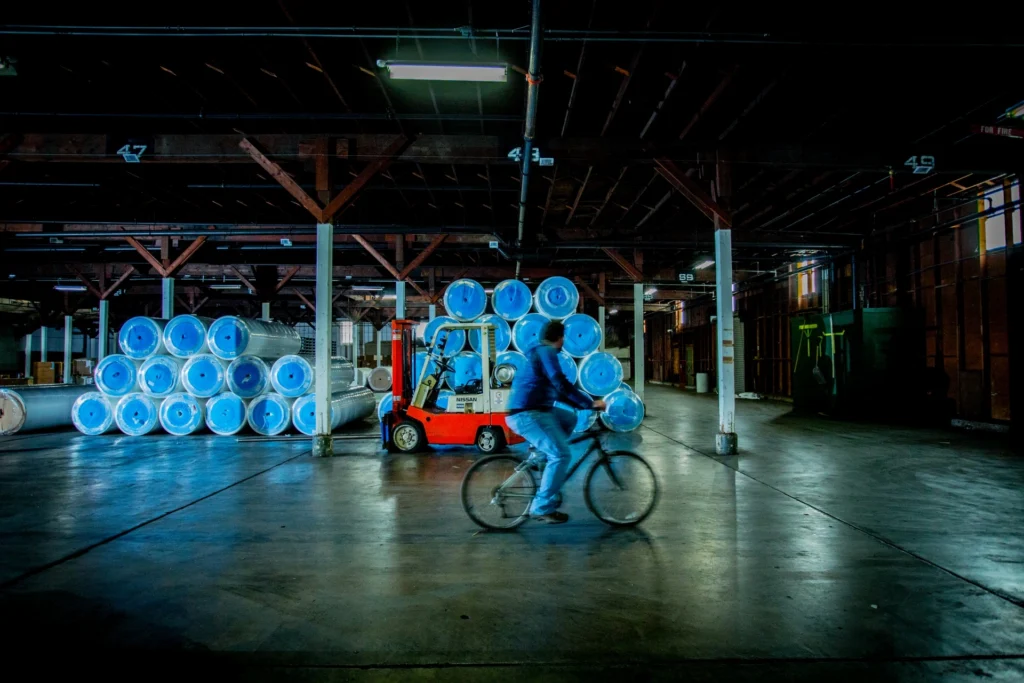
Your manufacturing plant is built to make product. When raw materials, packaging, or finished goods occupy the same space needed for production, people spend time moving inventory around and staging areas get harder to manage. Plant support warehousing can provide off-site storage for inventory your plant needs without requiring every pallet to be on site all the time.
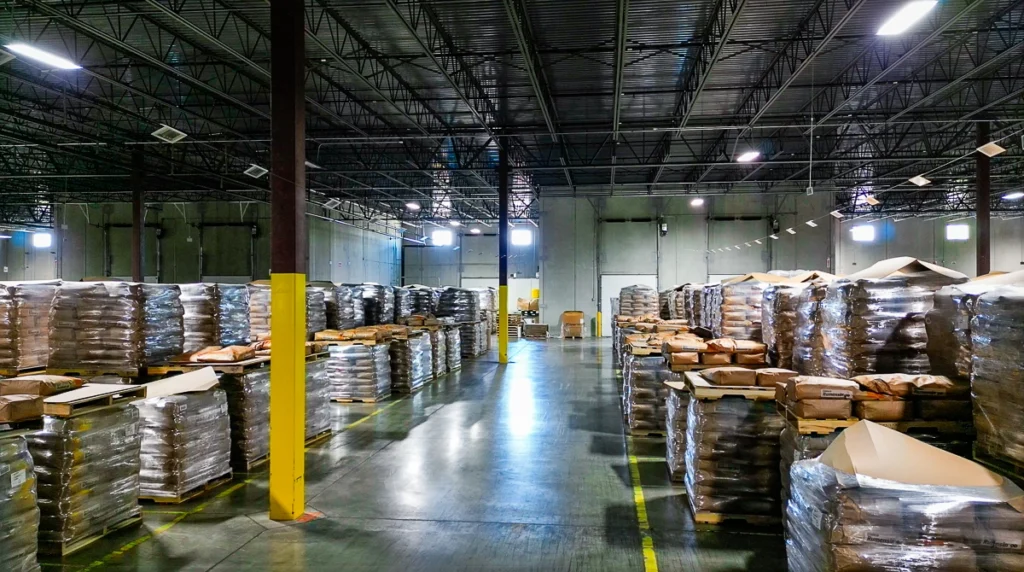
For example, you may receive several raw materials from different suppliers, often in larger inbound quantities than you want to keep on your floor. A warehouse can receive and hold that inventory, then coordinate releases in planned quantities around your production schedule. The details depend on your product and operating plan, but the goal is straightforward: keep the right material accessible without using production space as overflow storage.
The same idea applies after production. You can move finished goods off the floor for storage or staging until the next shipment is ready. When warehousing and transportation are coordinated, you have fewer handoffs to manage as product moves between the warehouse, plant, and customer.
How Can You Prepare for Changes to Your Just-in-Time Inventory Plan?
Just-in-time inventory can work well when inbound timing and production plans stay aligned. The trouble starts when a supplier is late, a run moves forward, or you change what you’re producing. The material that looked sufficient on a planning sheet may not be the material your line needs today.
A common production challenge occurs when a plant changes its schedule, then discovers the packaging for the next product will not arrive in time. Nearby safety stock can give you another option, provided the right items and release process have been planned in advance. Local warehousing can help you prepare for production delays by keeping critical materials accessible when schedules change.
That does not mean you should hold more inventory across the board. It means the cost of storage should be considered alongside the operational risk of running short. For some products, plant support warehousing provides a practical buffer between a tight replenishment plan and the reality that production schedules sometimes move.
How Can Plant Support Warehousing and Vendor-Managed Inventory Help Your Operation?
Plant support warehousing and vendor-managed inventory can help you keep materials accessible, protect production space, and coordinate replenishment around your production schedule.
Plant support warehousing gives you off-site space for raw materials, packaging, components, or finished goods, so your plant floor can stay focused on production. You can coordinate inventory releases around your production schedule and changing needs. This type of warehouse support for manufacturing can also help you manage inventory outside the plant without losing sight of when materials are needed.
Vendor-managed inventory (VMI) adds a replenishment process in which your supplier monitors or manages stock based on agreed requirements. A warehouse management system can track supplier-owned inventory and coordinate releases when your plant needs materials. The right setup depends on your suppliers, inventory, and production requirements.
How to Evaluate an Indiana 3PL for Manufacturing
When you’re comparing manufacturing warehousing and 3PL warehousing in Indiana, look past the city name and ask how the provider will fit into your day-to-day operations:
- Is the warehouse close enough to support your plant and the lanes that matter?
- Can it handle your product in the quantities and storage conditions required?
- How will receiving, inventory visibility, releases, and schedule changes be managed for your operation?
- Can warehousing and transportation be coordinated, with clear accountability when your plans shift?
Those answers help you distinguish a regional warehouse for manufacturers from space that only solves the immediate square-footage problem. A good fit should be clear about its strengths and limits, including whether the work is full-pallet or bulk storage rather than each-pick fulfillment or complex kitting.
Could a Terre Haute-Based Warehouse Fit Your Operation?
A regional warehouse only supports plant operations when it is within workable reach of the plant. Indiana’s interstate freight network, including I-65, I-69, I-70, and I-74, connects manufacturers, suppliers, and customers across the state and the Midwest, with Distributors Terminal’s Terre Haute location along I-70. For manufacturers whose plants and freight lanes fit that location, a Terre Haute warehouse may provide nearby space for palletized materials, overflow, or finished goods.
Distributors Terminal is a family-owned, Terre Haute-based regional 3PL with over a century of warehousing and logistics experience. Its services include warehousing, plant support warehousing, vendor-managed inventory, and transportation coordination. Whether Distributors Terminal is the right fit depends on your plant’s location, product, shipping lanes, and service requirements.
If your plant is carrying more inventory than you have room to manage, or your just-in-time plan leaves little room for schedule changes, talk through your operation with Distributors Terminal. Start with the plant location, materials, volumes, and delivery rhythm. From there, you can assess whether a Terre Haute-based warehouse is the right support for your operation.